
glass that turns from clear to frosted
Replacing the Pressure Valve on Your Water Heater Water heaters play a crucial role in our daily lives, providing us with the hot water we need for showers, cooking, and cleaning. However, like any appliance, they can encounter problems over time. One common issue is a malfunctioning pressure relief valve, which is essential for preventing excess pressure buildup within the heater. In this article, we will discuss how to identify the need for a replacement and the steps involved in replacing the pressure valve on your water heater. Understanding the Pressure Relief Valve The pressure relief valve is a safety device designed to release excess pressure from the water heater. Under normal operating conditions, it allows steam or water to escape if the pressure exceeds a predetermined level, thus preventing possible explosions or damage to the unit. Typical indicators of a malfunctioning pressure relief valve include water leaking from the valve or a hissing sound coming from the heater. Signs You Need to Replace Your Pressure Relief Valve 1. Visible Water Leakage If you notice water pooling around the valve or drips coming from it, this could indicate that the valve has failed and needs replacement. 2. Excessive Pressure Release A valve that frequently releases water, even when the heater is not under heavy use, can signify that it is no longer functioning correctly. 3. Old Age If your water heater is more than 5-10 years old, it’s a good idea to inspect the pressure valve, as it may have reached the end of its life cycle. 4. Discoloration or Corrosion If you see rust or corrosion on the valve, it might be time to replace it to prevent further complications. Steps to Replace the Pressure Relief Valve replacing pressure valve on water heater Tools and Materials Needed - Adjustable wrench - Teflon tape - Bucket or towel for spills - New pressure relief valve (ensure it matches the specifications of your existing one) Step 1 Turn Off the Water Heater Before starting any maintenance, make sure to turn off the power supply to the water heater. If it’s an electric water heater, unplug it or switch off the circuit breaker. For gas heaters, turn the thermostat to the ‘vacation’ or ‘off’ setting. Step 2 Shut Off the Cold Water Supply Locate the cold water supply valve at the top of the water heater and turn it off. This will prevent new water from entering the tank. Step 3 Drain the Tank Using a bucket or hose, drain a small amount of water from the tank to reduce pressure. There should be a drain valve at the bottom of the heater. Open it and let water flow until the pressure is adequately relieved. Step 4 Remove the Old Valve Using your adjustable wrench, carefully unscrew the old pressure relief valve from its housing. Be cautious to avoid damaging the threads. Step 5 Install the New Valve Apply Teflon tape to the threads of the new pressure relief valve to ensure a proper seal. Screw it into place, making sure it is tight but not overtightened, as that could cause damage. Step 6 Restore Water Supply and Power Turn the cold water supply back on and allow the tank to fill. Once it’s full, check for leaks around the new valve. If there are no leaks, you can restore power to the heater. Step 7 Test the Valve After everything is back in position, test the new pressure relief valve by lifting the lever. You should hear a hissing sound as water is released, indicating it’s functioning properly. Conclusion Replacing the pressure relief valve on your water heater is a manageable task that can enhance the safety and efficiency of your appliance. By being attentive to signs of malfunction and following the steps outlined above, you can ensure that your water heater continues to operate safely for years to come. If you feel uncomfortable performing this task yourself, don’t hesitate to call a professional plumber. Your safety is paramount!
about
glass that turns from clear to frosted
The Importance of Metal Fabrication Protractors in Precision Engineering In the realm of metal fabrication, precision is not just a requirement; it is a necessity. The metal fabrication protractor stands out as one of the quintessential tools that enable fabricators to achieve the required accuracy in their work. This simple yet effective instrument plays a critical role in various aspects of fabrication, from measuring angles to ensuring perfect cuts. A metal fabrication protractor is typically made of high-quality stainless steel or aluminum, ensuring durability and resistance to corrosion. Its design usually includes a pivot point, a movable arm, and clear markings that indicate angle measurements . The versatility of the protractor allows it to be used in multiple applications, making it an indispensable tool for engineers, metalworkers, and hobbyists alike. One of the key advantages of using a protractor in metal fabrication is its ability to provide quick and accurate angular measurements. Whether working on intricate designs or large structural components, the protractor enables fabricators to determine precise angles, which is critical for joints, fittings, and connections. This accuracy not only enhances the aesthetic appeal of the finished product but also ensures its structural integrity. metal fabrication protractor Moreover, the metal fabrication protractor simplifies the process of marking and cutting materials. With the aid of this tool, fabricators can easily draw lines for cuts, enforce accurate alignment, and ensure that each piece fits together seamlessly. This efficiency reduces waste and increases productivity, allowing projects to be completed on time and within budget. In addition to angle measurements, many modern protractors come equipped with features such as digital displays, built-in levels, and even laser guides. These advancements enhance the user experience and further improve measurement accuracy. Digital protractors, for instance, offer easy-to-read displays, while laser guides can help visualize angles and allow for more complex layouts. Training and skill development are also crucial elements in maximizing the use of metal fabrication protractors. While the tool itself is relatively straightforward, understanding its full potential requires practice and familiarity. Fabricators who invest time in mastering this instrument often see significant improvements in their work quality. In conclusion, the metal fabrication protractor is an essential tool for anyone involved in precision engineering. By ensuring accurate angle measurement and providing ease of use, it helps fabricators produce high-quality work efficiently. As technology advances, the protractor continues to evolve, maintaining its relevance in an ever-changing industry. For professional fabricators and enthusiasts alike, mastering this tool is key to achieving excellence in metal fabrication projects.
-

High quality industrial productsagement

High quality industrial products
View Details -

Meet the diverse needs of customers

Meet the diverse needs of customers
View Details -

Strict quality control

Strict quality control
View Details -

Top raw materials

Top raw materials
View Details -

Trusted supplier

Trusted supplier
View Details
Our application
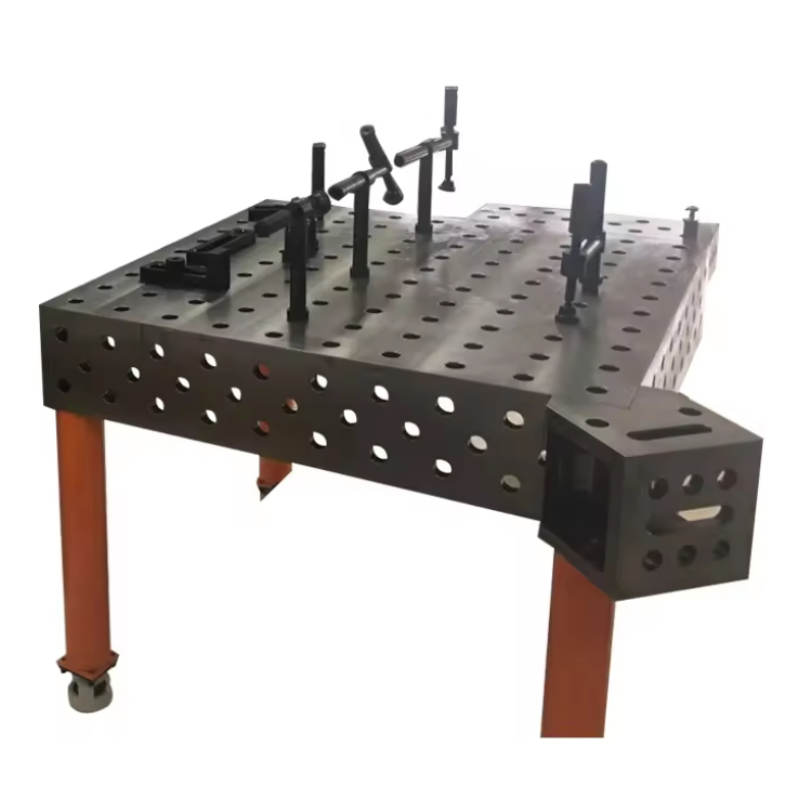
news and information
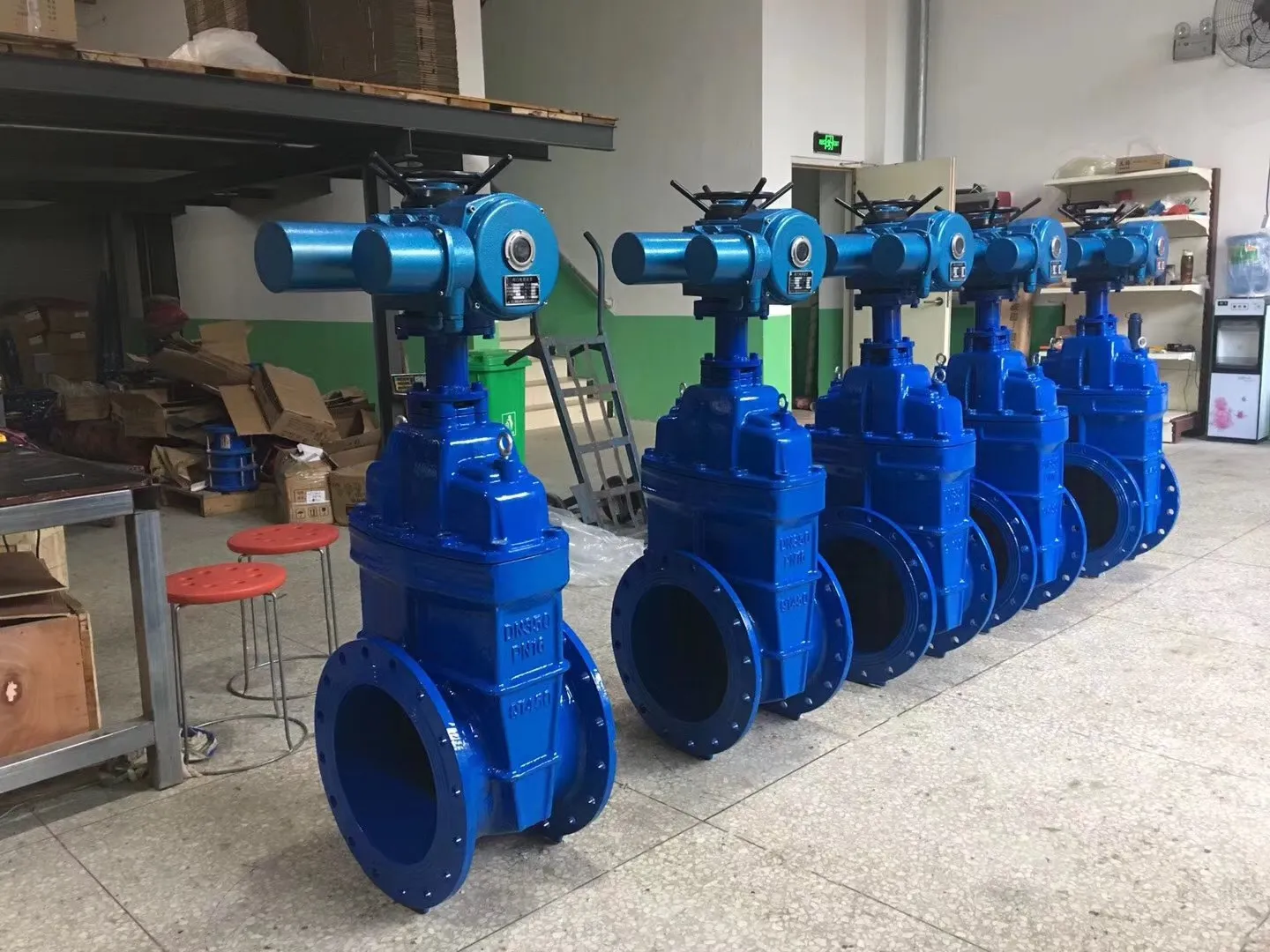
Valvola a farfalla da 1,5 pollici per applicazioni industriali e domestiche
Valvola a Farfalla da 1.5 Pollici Un Elemento Chiave nel Settore Industriale Le valvole a farfalla s

veitsen porttiventtiilityypit
Knife gate -venttiilit ovat erityinen venttiilityyppi, joka on suunniteltu erityisesti kiinteiden ja
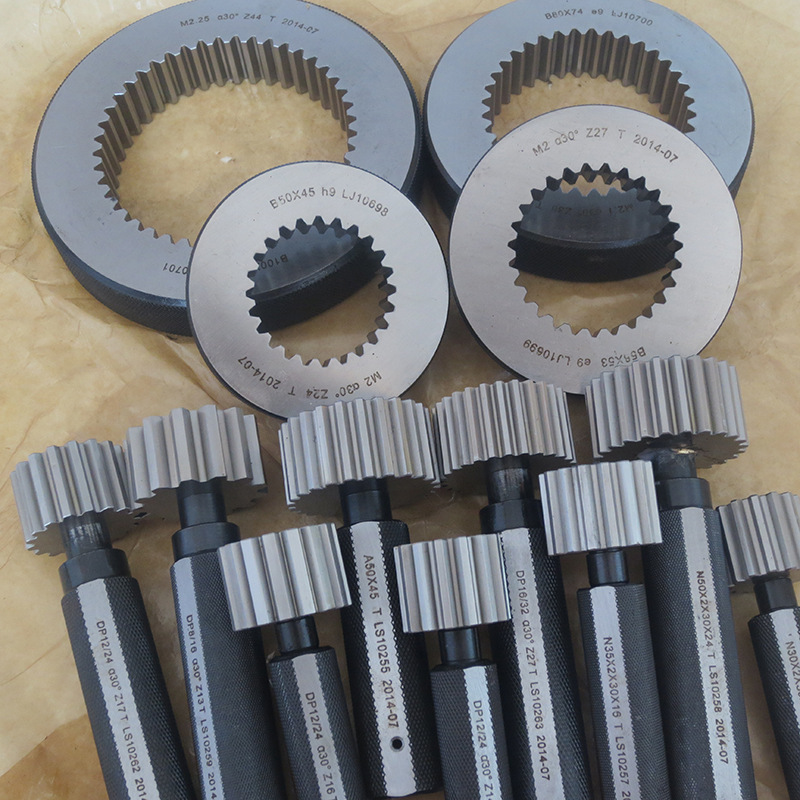
vandkontrolventil 3 4
Vandprocent Tjekventil 3/4 En Nødvendighed i VVS-Installationer I enhver VVS-installation er der ele
 English